
Authentic vs Replica Handbags: How to Tell the Difference and Shop Safely
Most people can’t tell authentic designer handbags from well-made replica handbags just by the overall look. The real difference shows up in the details. Once you know which details to check, spotting replica handbags stops being a guessing game. It becomes a five-minute inspection.
Stitching Is the Fastest Tell
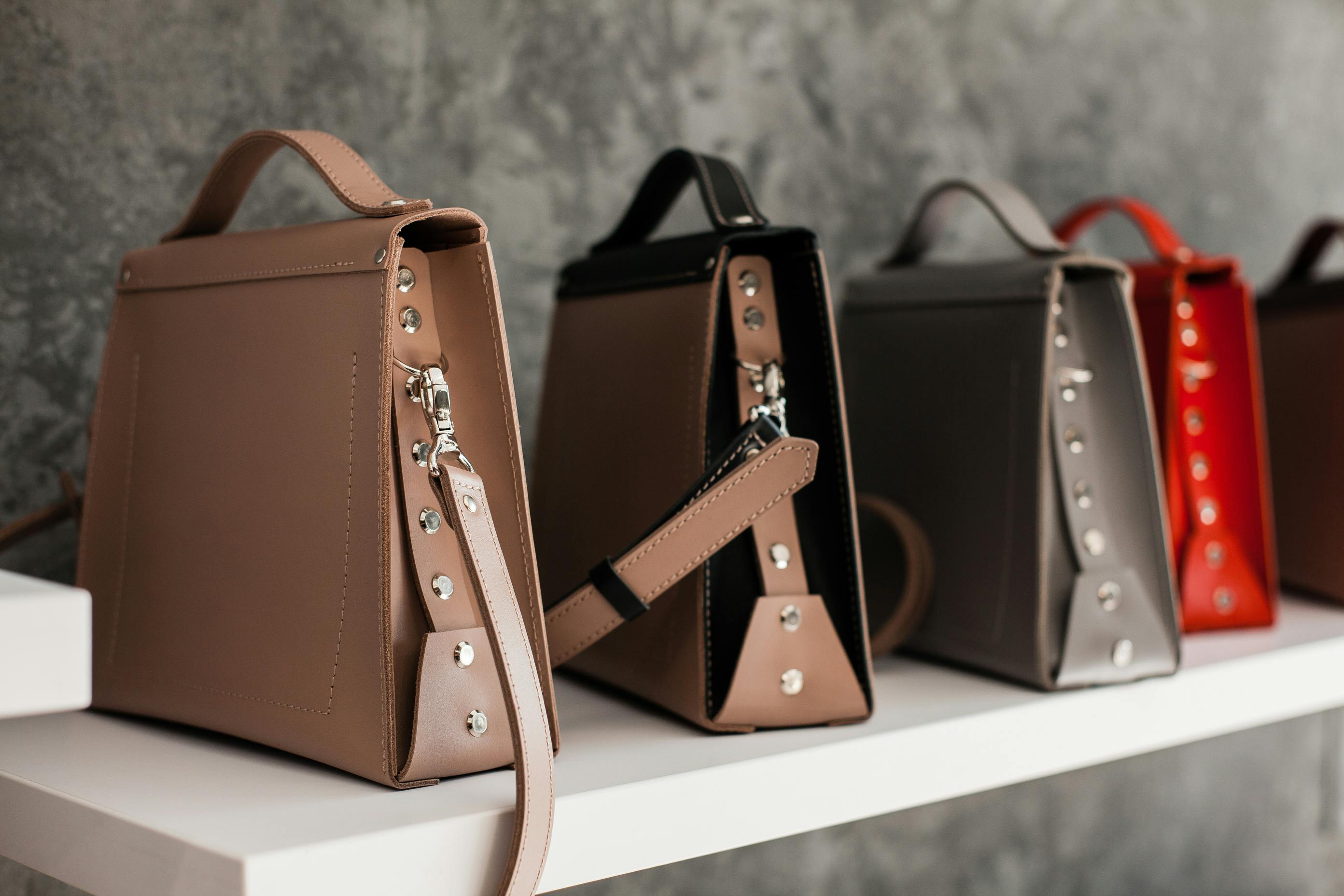
Authentic bags from established houses use consistent stitch length, straight lines, and thread that matches the leather colour exactly. Check the underside of the handles and the corners of the bag, not just the visible front panel. Manufacturers rush these spots on replicas because buyers rarely check them. Uneven stitch spacing, loose threads, or thread colour that’s slightly off from the leather all signal a replica.
Hardware Weight and Finish
Zips, clasps, buckles and logo plates on authentic bags feel noticeably heavier than they look, because solid metal makes them, not lightweight plated alloy. The engraving on hardware — a logo, a serial stamp — should show a crisp, even depth throughout. Shallow, uneven, or blurred engraving usually means the maker cast the hardware rather than precision-stamped it. Zips on authentic bags glide smoothly with no resistance. Replica zips often catch or feel gritty.
Material and Smell
Genuine leather carries a distinct, slightly sweet smell and a texture that’s neither too glossy nor too matte, with natural grain variation across the surface. Replicas frequently use bonded leather or PVC coated to imitate leather grain. These tend to smell chemical, like a new shower curtain. Their grain pattern also repeats identically across the bag, since a machine stamps it rather than nature forming it.
Interior Details Manufacturers Rarely Fake Well
Replicas most often fall short on the interior lining, the placement of the serial number or date code, and the stitching around interior pockets. Buyers rarely see these areas in product photos before purchasing, so manufacturers skip them. Authentic bags typically carry a serial or date code in a specific, brand-consistent location, printed or embossed rather than stuck on with a sticker.
Price as a Signal, Not a Guarantee
A price that’s a fraction of retail sends a strong signal, but it doesn’t prove anything either way. Some sellers price replicas close to retail specifically to seem more credible. Some authentic bags carry genuine discounts through outlet or resale channels. Let price prompt more scrutiny of the details above, rather than replace that scrutiny.
How to Shop for Replica Handbags Safely Online
- Buy from the brand directly, an authorized retailer, or a reseller with an authentication process. Many resale platforms now authenticate handbags before listing them.
- Ask for close-up photos of stitching, hardware engraving, and the interior serial code before buying from a private seller or marketplace listing.
- Check seller reviews specifically for authenticity complaints, not just shipping speed or general satisfaction.
- Watch for listings using stock brand photography instead of photos of the actual item. Replica sellers commonly disguise their listings this way.
- Know your marketplace’s buyer protection policy before purchasing, so you have recourse if a bag arrives and doesn’t match what was described.
The Bottom Line
No single detail proves authenticity on its own. But stitching, hardware weight, material smell, and interior serial placement together are hard for replica manufacturers to get all correct at once. Check two or three of these before buying, especially on marketplace or resale listings. That catches the vast majority of replicas before money changes hands.
If you’re weighing up options directly, our guide to shopping for replica handbags online covers what to expect on price and quality when a replica is the intentional choice rather than a mistake.
